Mastering Your First Live Performance: Essential Tips from a Seasoned Musician
Understanding the Importance of Preparation
Mastering your first live performance is a significant milestone in any musician's career. The key to success is thorough preparation. Begin by rehearsing your setlist until you're comfortable with every note and lyric. This will help build your confidence, ensuring that you remain focused during the performance.
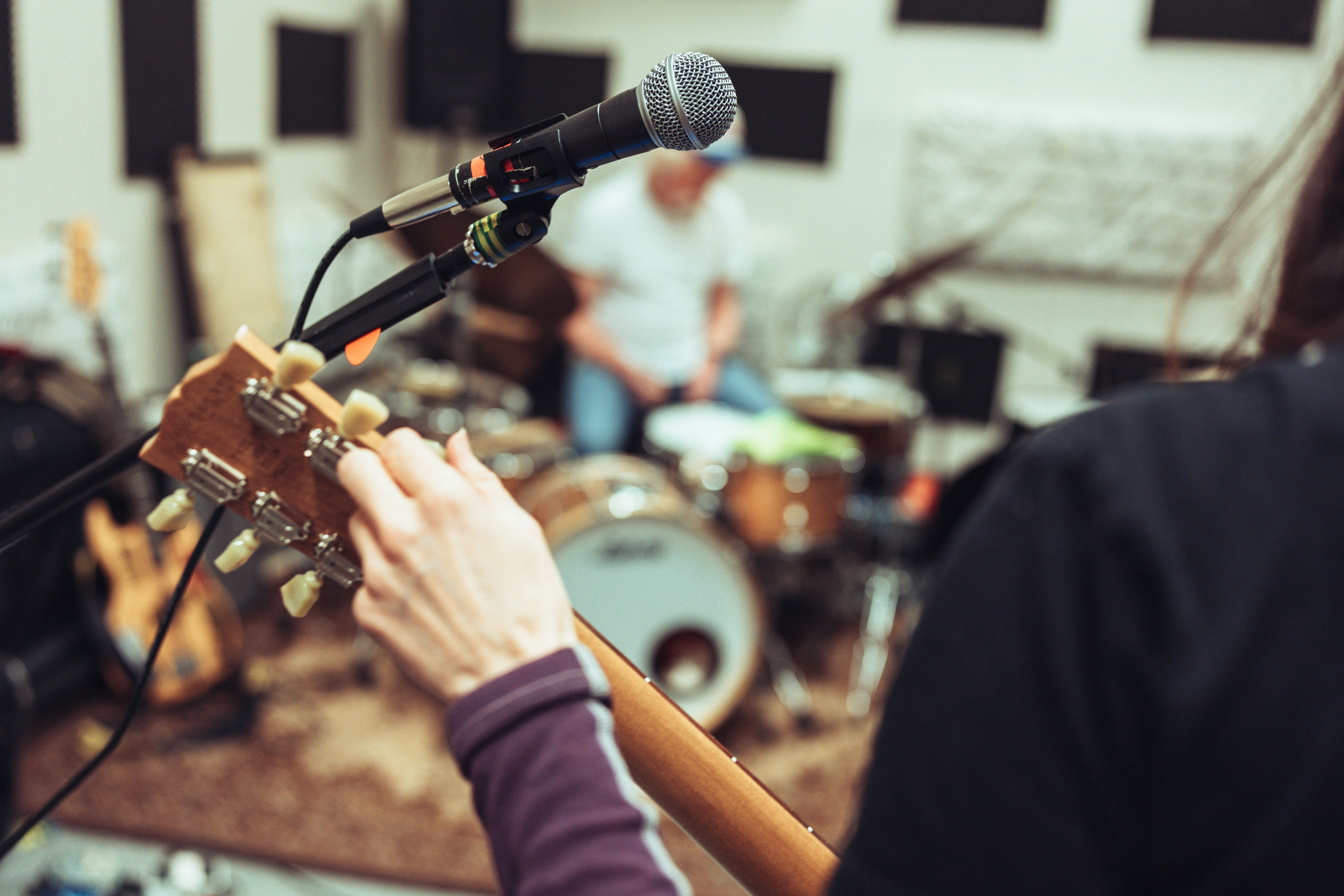
It's essential to practice in an environment that mimics the live setting as closely as possible. This includes using the same equipment and setup you'll have on stage. Familiarity with your gear will minimize technical issues and allow you to focus on delivering a captivating performance.
Engaging with Your Audience
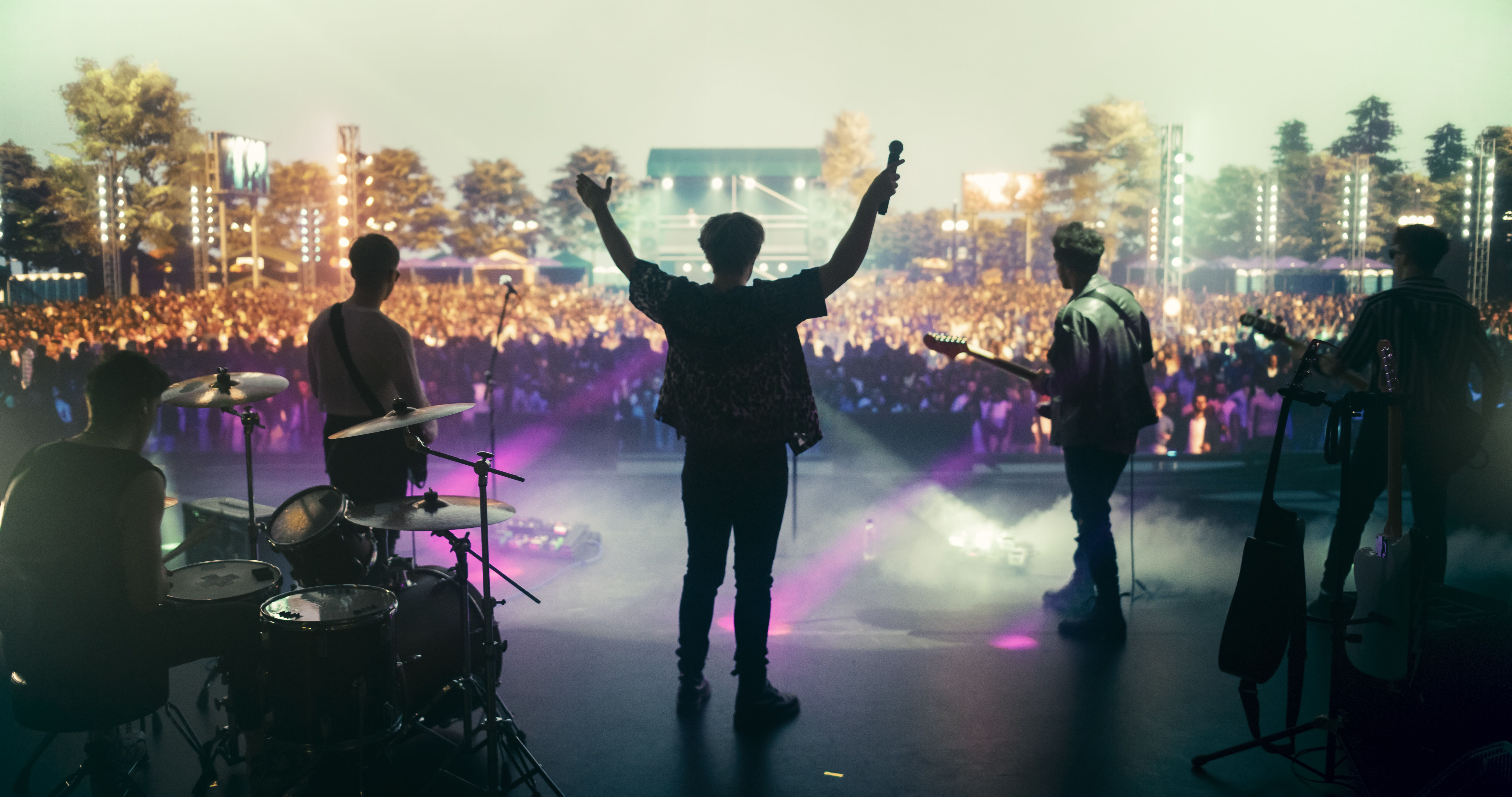
Connecting with your audience is crucial for a memorable performance. Start by researching the venue and understanding the type of crowd you may encounter. Tailor your setlist to suit their preferences while staying true to your style.
During the performance, maintain eye contact and use body language to express emotions. This interaction not only keeps the audience engaged but also helps you feed off their energy. Remember, a genuine connection can turn a good performance into a great one.
Managing Stage Fright
Stage fright is a common experience for many musicians, especially during their first live performance. To manage these nerves, try visualization techniques where you imagine yourself performing confidently and successfully. Deep breathing exercises can also help calm your nerves before stepping on stage.
Additionally, consider starting your set with a song you know well and enjoy playing. This can help ease you into the performance and boost your confidence right from the start.

Technical Considerations
Technical issues can disrupt your performance, so it's essential to conduct a thorough soundcheck before the show. Ensure that your instruments, microphones, and any other equipment are functioning correctly. Communicate clearly with the sound engineer to achieve the best possible sound quality.
Have backup plans in place for potential technical failures. This could include extra strings, batteries, or even a backup instrument. Being prepared for the unexpected will help you handle any issues smoothly, keeping the performance on track.
Post-Performance Reflection
After the performance, take time to reflect on what went well and what could be improved. This reflection is an opportunity to grow and enhance future performances. Consider asking trusted friends or fellow musicians for feedback, as they may provide valuable insights.
Finally, don't forget to celebrate your achievement. Completing your first live performance is an accomplishment worth acknowledging. Use this experience as a stepping stone to further develop your musical career.